Blog
Education before sales. Articles on EU sanctions lists, non-financial sector obligations, and sanction screening in practice.
The major sanctions act (the UC92 bill) creates no new obligations — those flow from EU regulations. What the bill actually changes: a supervisor, criminal liability, a whistleblower channel.
Hospitality is a sanctions risk area — from group bookings to VIP stays. Find out when a hotel must run sanction screening and how to implement it.
The US administration signals a shift in its sanctions policy toward Russia. Find out what really changes at OFAC and why a Polish company still has to screen.
Does a compliance officer need a certificate? Learn what sanctions certification involves, what the exam covers, and who should obtain it.
Accounting firms and tax advisers are obliged institutions under the Polish AML Act. Find out when you must screen clients against sanctions lists and how to implement it.
Art. 5k of Regulation 833/2014 and Art. 7 of the Polish sanctions act of 13 April 2022 impose obligations on contracting authorities and contractors in public tenders. Find out who is affected, what the penalties are, and how to prepare.
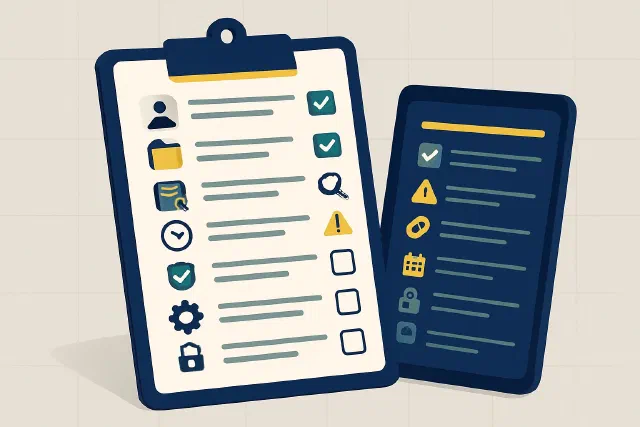
A practical sanctions audit checklist for SMEs — 10 areas to check, legal basis, remediation priorities. Find out whether your company is ready for a KAS audit, a GIIF inspection or a sanctions review.
AMLA is the new EU anti-money-laundering authority based in Frankfurt. Learn who it covers, its timeline, and why it does not exempt your company from sanction screening.
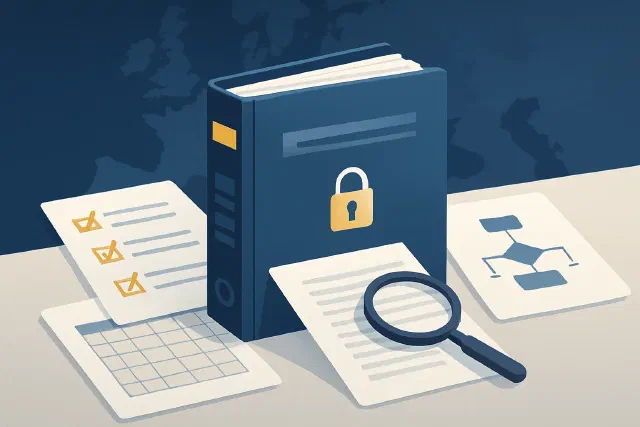
A sanctions policy is a key compliance document. Find out what it must include, what supporting documents are required, and how to build a full compliance file.
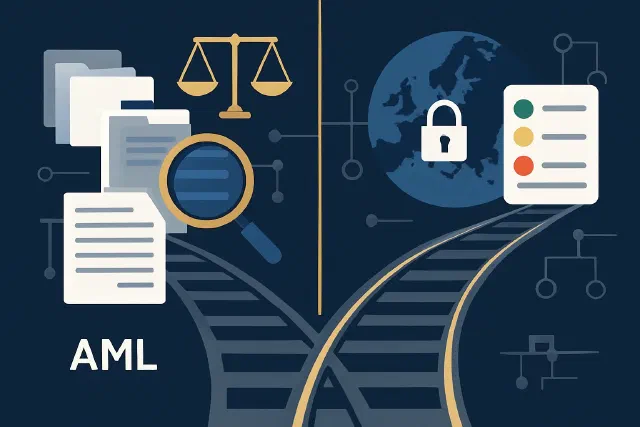
AML applies to obliged entities; EU sanctions apply to every company. Learn the key legal differences and why your business must conduct sanction screening.
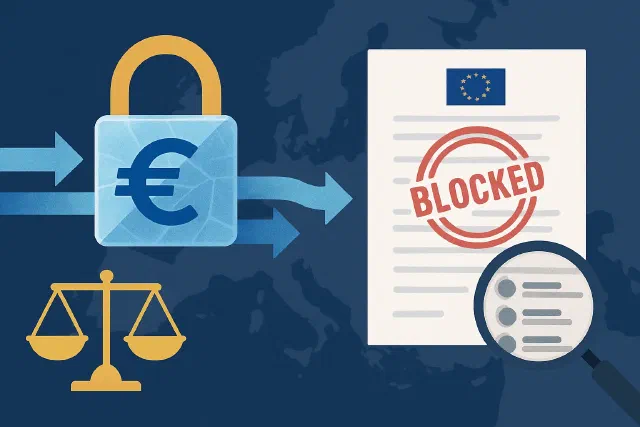
Asset freeze applies to every EU company, not just banks. Learn how it differs from confiscation, what you must do, and how to avoid a fine of up to PLN 20 million.
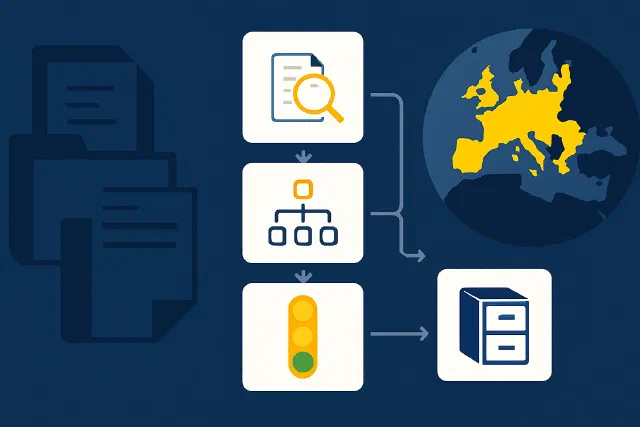
How to check a counterparty against EU, MSWiA, OFAC, and UN lists? Step-by-step: identifiers, the 50% ownership rule, UBO verification, and the screening register.
Directive 2024/1226 is the first EU act to harmonise criminal penalties for sanctions breaches. Find out what this means for company boards and owners in Poland.
How to screen a Belarusian business partner and what breaching Regulation 765/2006 means? An operational guide for companies in transport, trade, and real estate.
Council Regulation (EC) No 765/2006 is the legal basis for EU sanctions against Belarus. Find out what they cover, who they apply to, and how to screen your counterparty.
Running a sole proprietorship or micro-business? EU regulations set no size threshold — find out when sanctions apply and how to comply with minimal effort.
What the EU sanctions list is, who maintains it, where to find it, and how to screen a counterparty. A practical guide for companies outside the financial sector.

A trained, documented team is proof of due diligence at inspection. Find out who needs EU sanctions training, what to cover, and how to document the process.
EU's 18th sanctions package (July 2025) lowered the oil price cap, banned Nord Stream deals, and expanded the shadow fleet list. Find out what it means for you.
EU's 19th sanctions package (October 2025): full LNG import ban, 557 shadow-fleet vessels, and the first EU sanctions on crypto exchanges and third-country banks.
The 20th EU sanctions package (April 2026) adds energy-sector listings and activates the anti-circumvention mechanism. Does your business need to act?
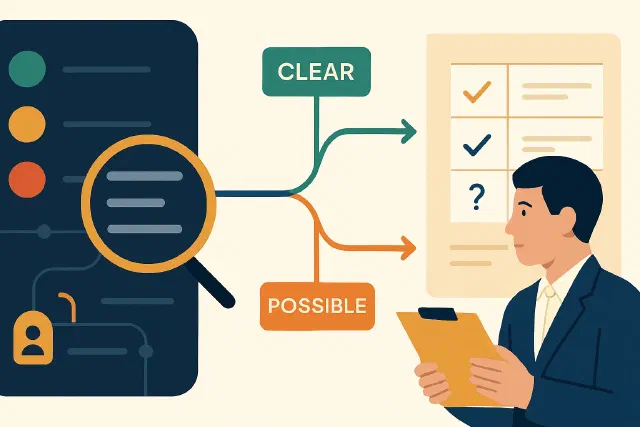
A false positive in sanctions screening is a false hit that requires verification. Learn how to handle a POSSIBLE result and correctly document your decision.
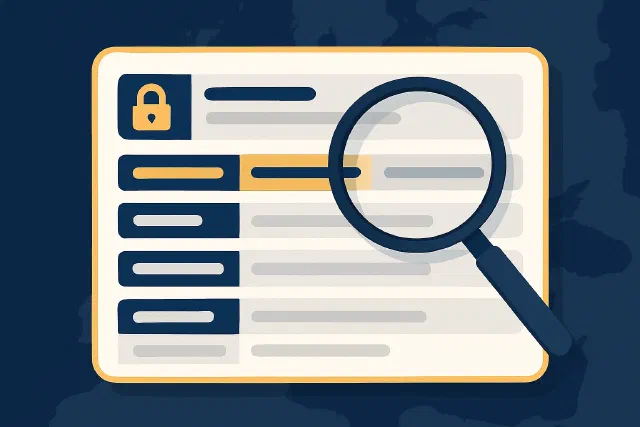
Potential hit on a sanctions list? Learn what every field means — aliases, transliterations, identifiers, legal basis, reason for listing. Avoid costly false alarms.
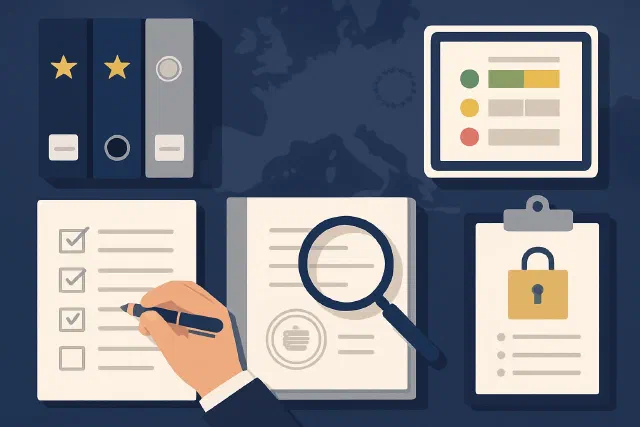
KAS can impose fines of up to PLN 20 million for EU sanctions breaches. Find out which documents to prepare before an inspection and what to do when auditors arrive.
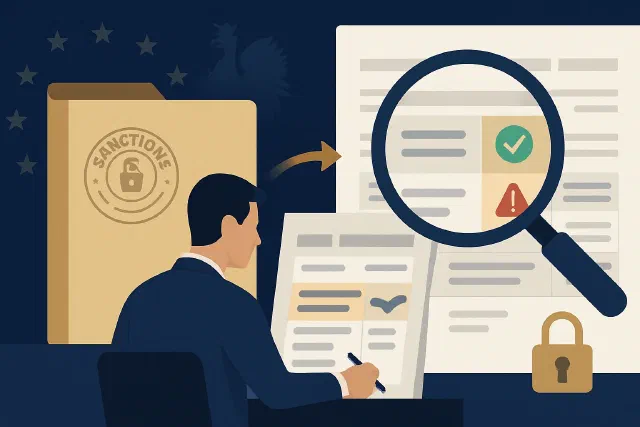
Where to find the MSWiA sanctions list, how to match identifiers, what to do on a hit, and how to document each check. A practical guide for Polish businesses.
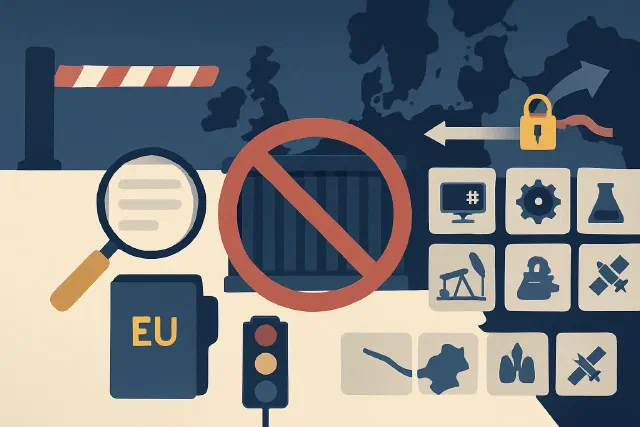
What the Russia embargo is, which goods it covers, and how to check a CN code in the TARIC database. A practical guide for Polish SMEs that export or import goods.
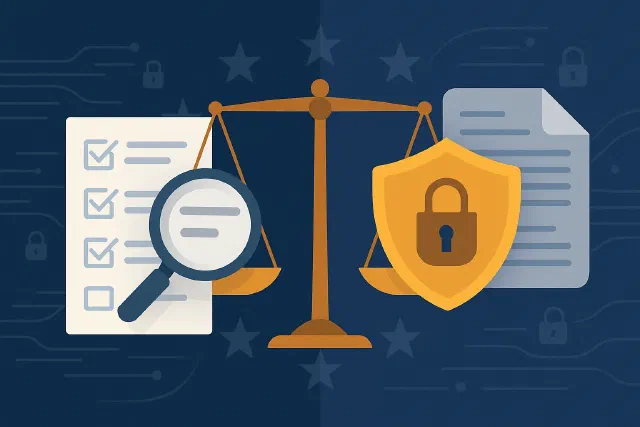
Sanction screening involves processing personal data — but it has a legal basis under the GDPR. Learn how to verify counterparties in compliance with EU regulations.
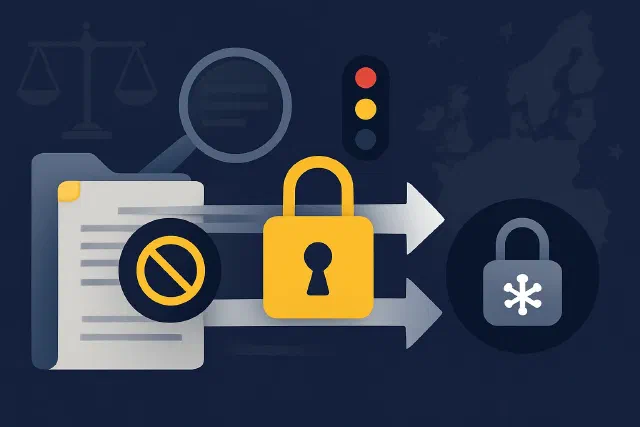
Sending a payment to an entity on the EU sanctions list is a breach of the law — regardless of whether your bank processed it. Learn what rules apply to your company.
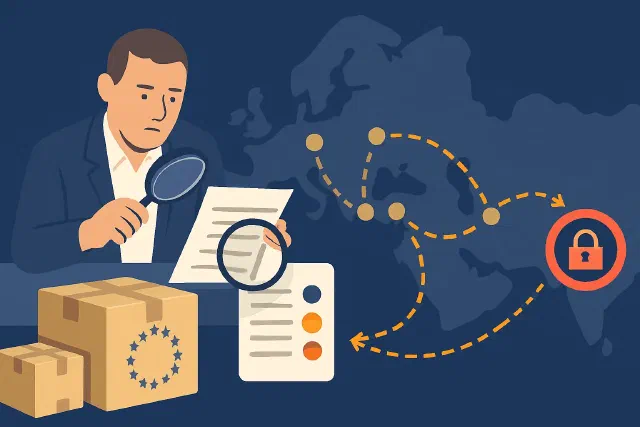
Re-export through third countries is a sanctions trap. Learn to spot high-risk transactions and shield your business from unwitting EU sanctions circumvention.
A sanctions clause protects your contract and provides grounds for termination. Find out what it must contain and how to respond when a counterparty is listed.
Does a small firm need a sanctions compliance officer? Learn who is responsible, what competencies matter, and how to manage this without a full-time hire.
Learn how to maintain a sanctions hit register: which fields it must include, how long to retain documentation, and what to expect during a regulatory inspection.
Online shops must screen customers and goods for EU sanctions. Learn who to verify, which products are high-risk, and how to automate screening.
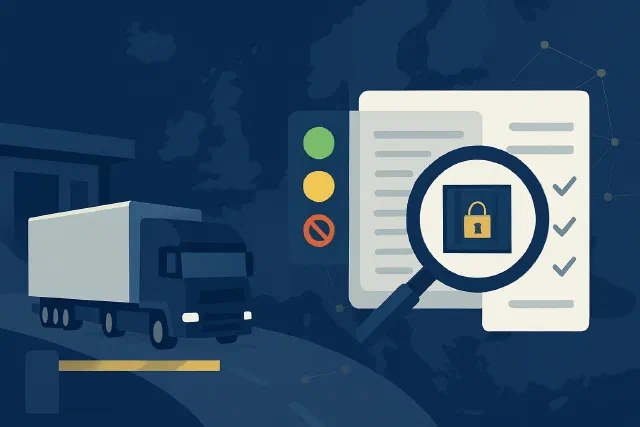
Transport and freight forwarding are high-risk for sanctions. Learn to screen clients, consignees, and subcontractors and avoid fines of up to PLN 20 million.
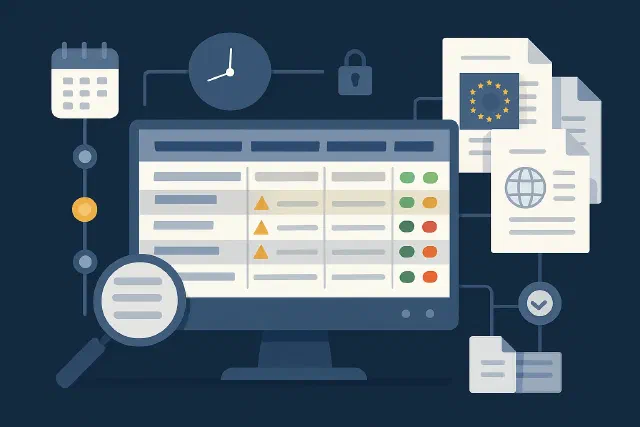
The EU, MSWiA, OFAC, and UN sanctions lists are updated regularly. Find out how to monitor updates and why a one-off counterparty check is never enough.
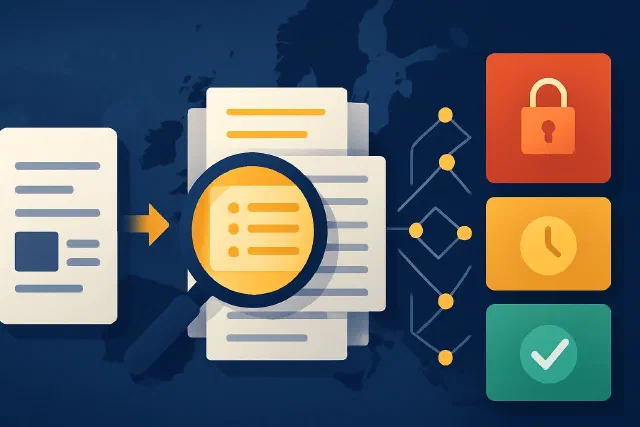
How sanctions screening works, where false positives come from, and what the MATCH/POSSIBLE/CLEAR result means — a practical guide for non-financial companies.
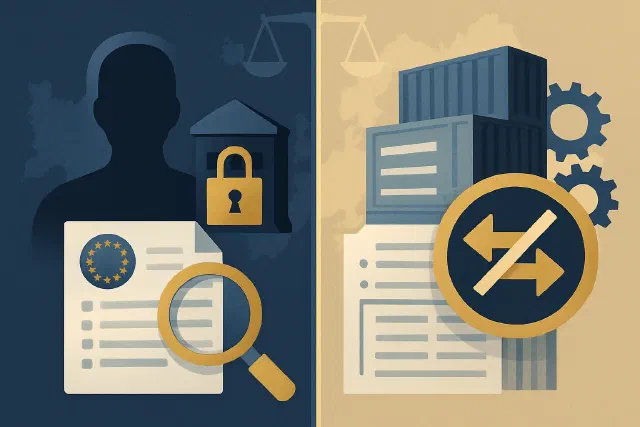
EU sanctions split into targeted (asset freezes on specific entities) and sectoral (sector-wide embargoes). Learn how they differ and how to verify compliance with each.
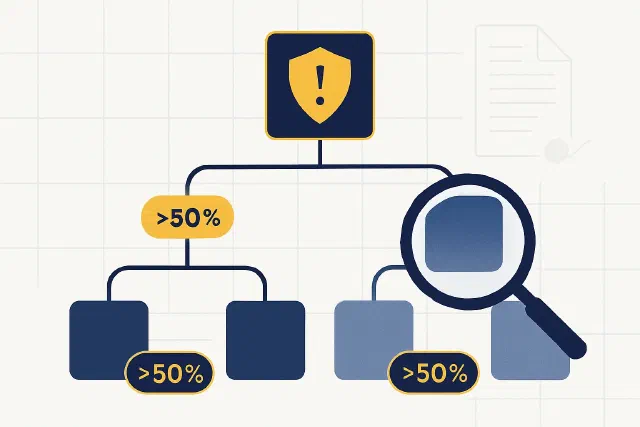
EU sanctions cover companies controlled by listed persons, even if unlisted themselves. We explain the over-50% threshold, control, UBO, and holding structures.
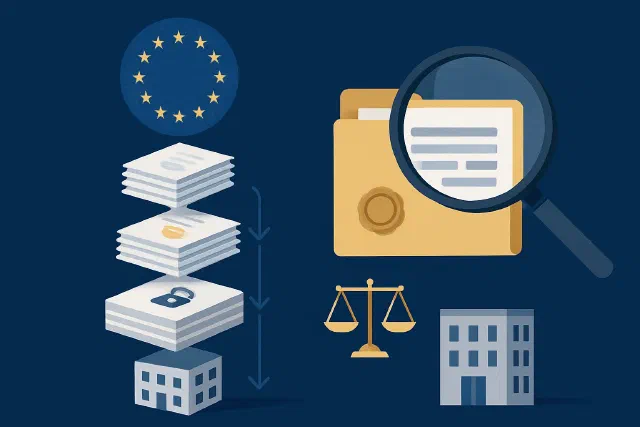
Treaties, Council Regulations, CFSP Decisions, Directive 2024/1226 — we explain the hierarchy of EU sanctions legislation step by step, in plain language for SMEs.
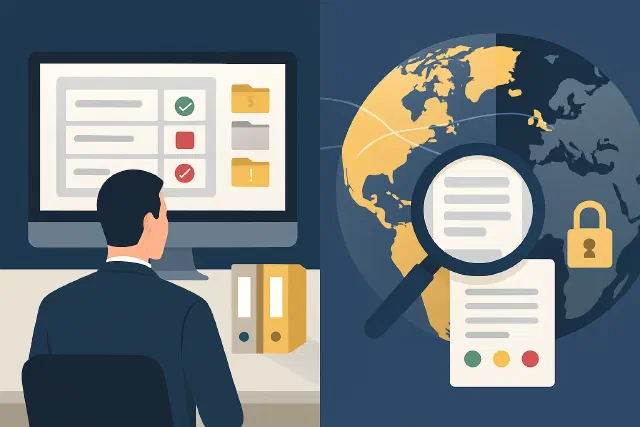
The OFAC SDN list affects Polish companies via secondary sanctions, USD transfers, and compliance clauses. Find out when you need to screen counterparties and how.
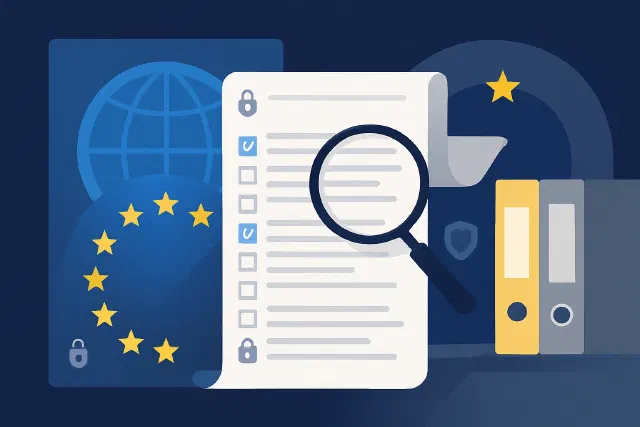
UN Consolidated List vs EU sanctions list — key differences and what it means for a Polish company. Learn when and how to screen counterparties against both lists.
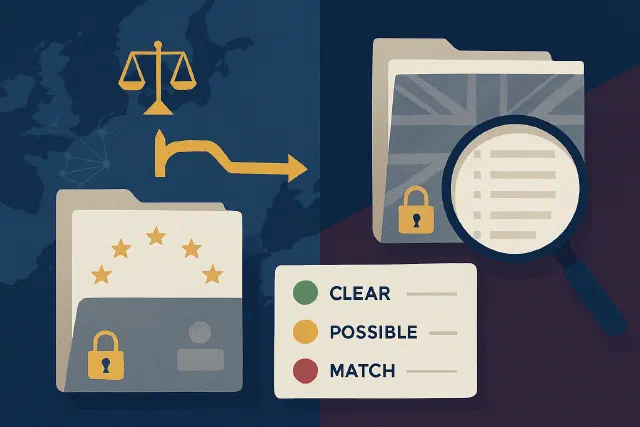
The UK sanctions list published by OFSI operates independently of the EU since Brexit. When a Polish company trading with the UK must check it and how to do so.
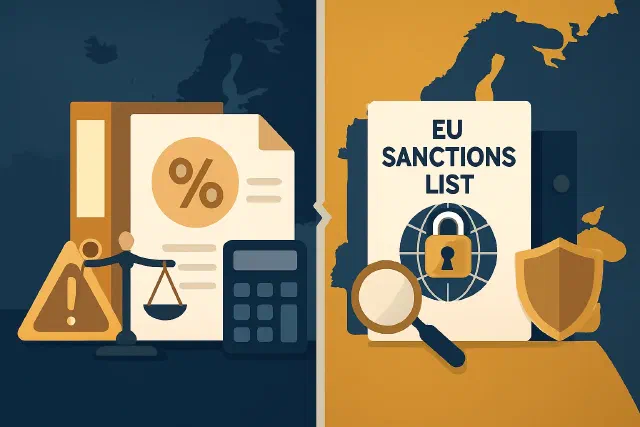
In Polish business, sanctions mean two different things. Find out how a VAT penalty differs from EU international sanctions and why the distinction matters for you.
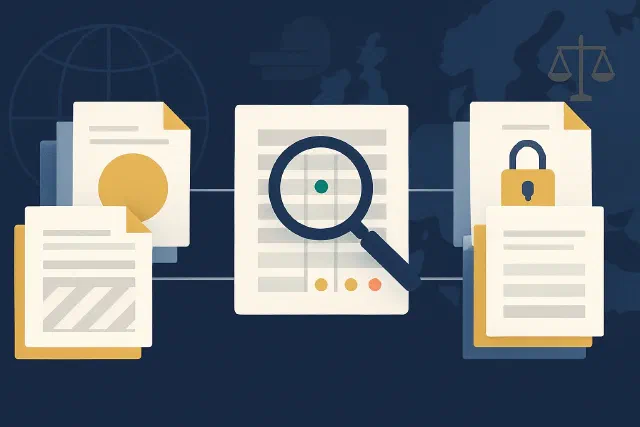
A sanctions list is not just a matter for banks. Find out what it is, who maintains it, and why your non-financial company must know about it too.
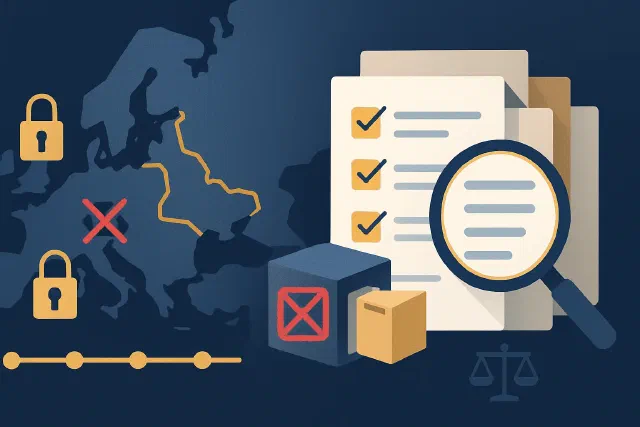
Sanctions against Russia are imposed by the EU, the US, and the UN. Find out which rules apply to companies in Poland and how they restrict trade and services.
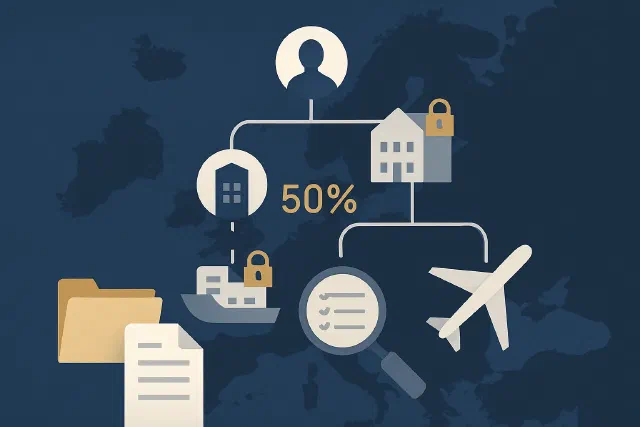
Who do EU sanctions cover? Persons, companies, vessels, aircraft — plus entities controlled via the 50% ownership rule. A complete overview of listing categories.
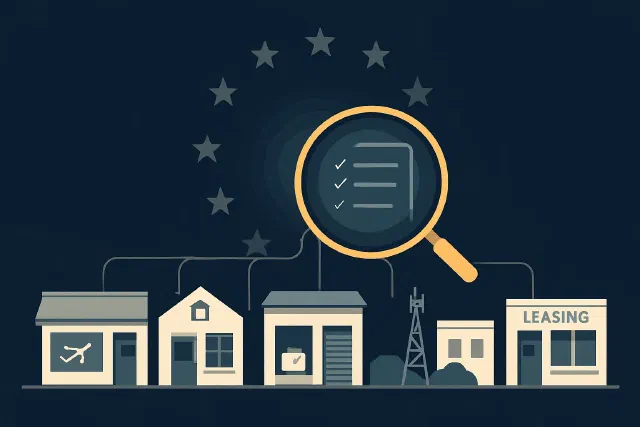
Not only banks must screen counterparties against sanctions lists. Find out whether the obligation applies to your company and which EU and Polish laws impose it.
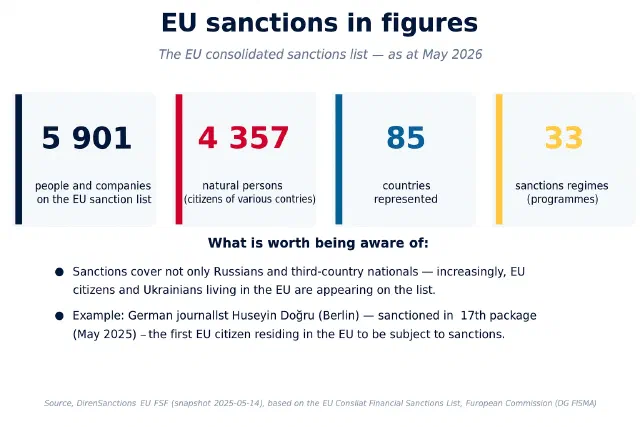
EU sanctions list: 5,901 people and entities, 41 regimes. The Doğru case, 19 Russia packages, and fines up to PLN 200 million — what this means for your business.
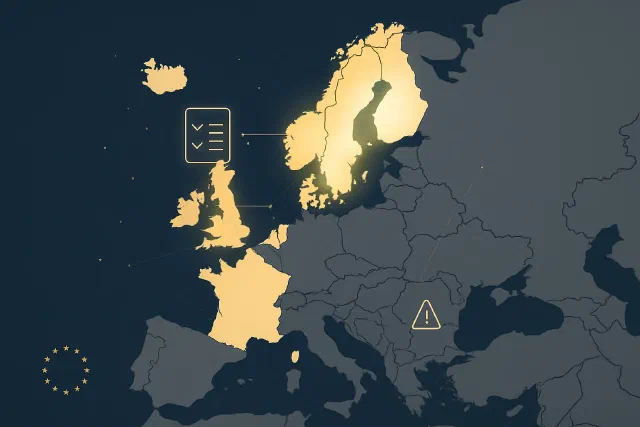
Only 9 of 27 EU states transposed Directive 2024/1226 by the May 2025 deadline. See which countries and what penalties for sanctions violations apply there.
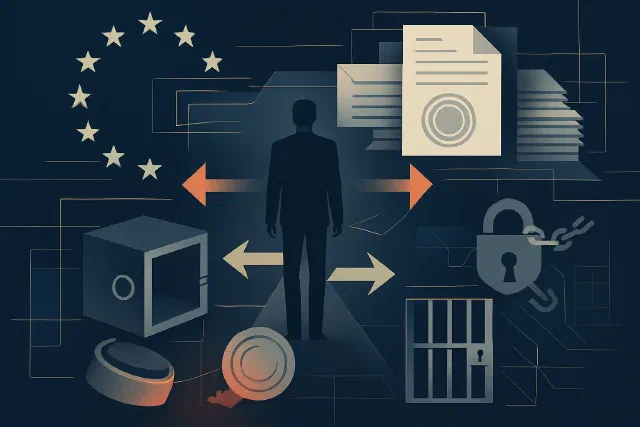
Penalties for breaching EU sanctions: prison for directors, fines to €40 million, void contracts. Learn the legal basis, supervisory authorities, and what to do.
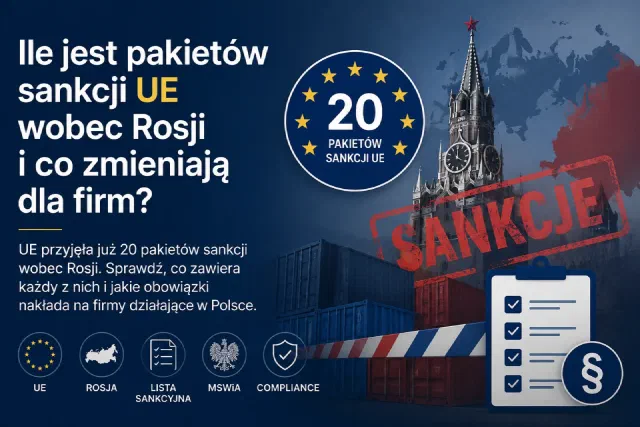
The EU has already adopted 20 sanctions packages against Russia. Check what each of them contains and what obligations it imposes on companies operating in Poland.
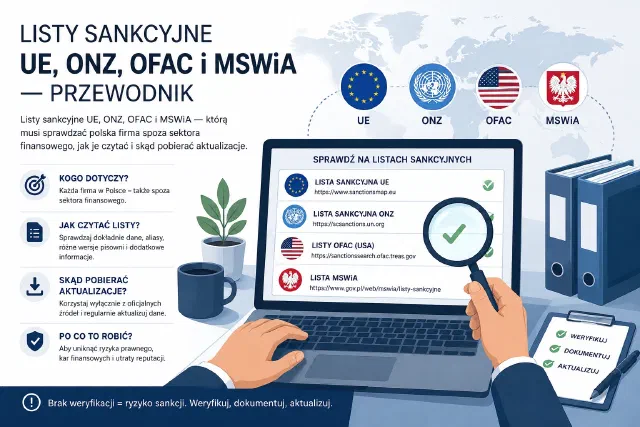
EU, UN, OFAC and MSWiA sanctions lists — which ones a Polish company outside the financial sector must check, how to read them, and where to obtain updates.